Walk any barn aisle on a silent afternoon and you will certainly hear a language that does not rely on words. A gelding's ear flicks, a mare sighs right into a young adult's shoulder, a youngster pauses their breath to match a horse's slow inhale. In those stops briefly, social connection obtains an opportunity to grow. An autism equine finding out program makes use of the one-of-a-kind visibility of equines to aid children, teenagers, and adults practice relationship abilities in genuine time, with actual stakes, and in an area that invites different methods of picking up and being.
I have actually coached and developed equine-assisted services for a years, across exclusive barns and college collaborations. The work bridges therapeutic horsemanship, equine-assisted activities, and equine-facilitated wellness. Tags vary by carrier and credentialing body, yet the core remains simple and tough: equines help people really feel and collaborate their bodies, notice another's signals, and locate a law rhythm that makes social contact much safer and more rewarding.
What connection resembles at the barn
Maya was nine when she joined our program. Verbal, funny, and fast with realities regarding worlds, she tensed whenever a classmate stepped close. Tiny team recess seemed like a hazard to her senses. At the barn, we started on the ground with Jazz, a steady paint mare that chose soft voices and slow-moving hands. Maya found out to ask with a rope, not her shoulders. She practiced what her physical therapist called body brakes: pausing, dropping her shoulders, and broadening her stance prior to taking a step. When Jazz tipped toward her, Maya took one step back instead of cold. On week 4, she discovered her breath once more. She stated, quietly, "Hello Jazz, I'm ready." That day she additionally admired share the minute with me. One shared glance, one small smile. That is the shape of development we celebrate.
Teens bring different stories. Leo, fifteen, covered up perfectly in class and went home tired. He desired one place where he might quit scripting. His equine, Murphy, mirrored his tension quickly. If Leo pondered, Murphy darted his head. When Leo checked the environment, Murphy did the same. We made use of that psychophysiological feedback to practice one skill at a time: calling experience, supplying clear requests, and ending on objective. Leo started saying no extra. He found out to get out of a crowded tack room before his battery died. His mom saw less after-school meltdowns and even more planned shifts, which is another way of stating he had extra energy left for connection with his family.
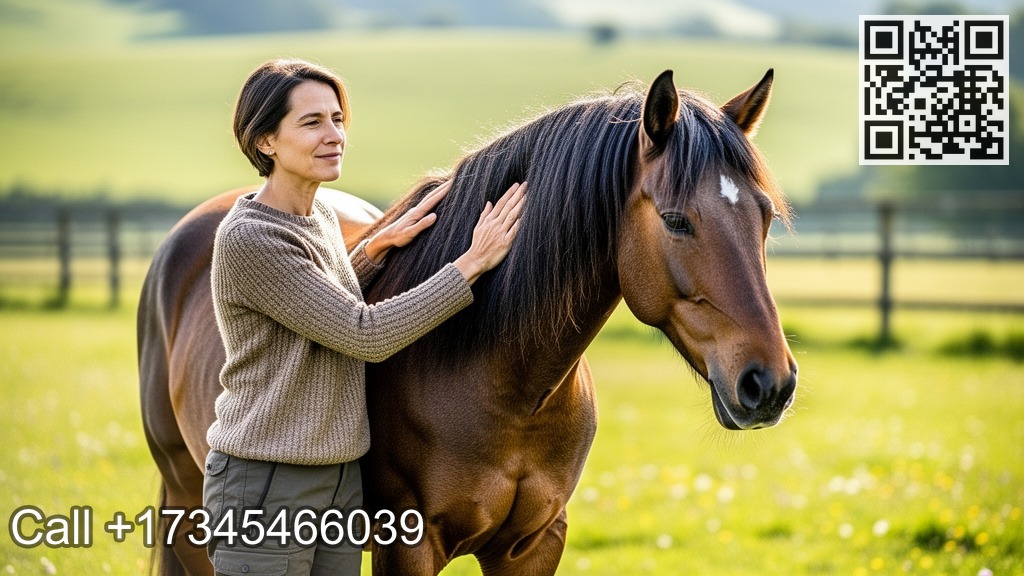
Autism is a range, so barn minutes differ widely. Some bikers go after mounted therapeutic horsemanship, constructing postural strength and adhering to patterns. Others like equine-assisted training on the ground concentrated on communication and issue fixing. The typical string is experiential learning with equines, constructed around authorization, sensory pacing, and clear relational feedback.
Why horses aid social growth
Horses checked out the world via motion, rhythm, and touch. They have big bodies and sensitive nerve systems, and they depend on harmony for safety and security. An equine notifications when your hands state go while your feet claim keep. They discover the breath you failed to remember to take. That makes them talented companions for social discovering, due to the fact that numerous autistic learners notice those very same mismatches in people and really feel adrift when language does not match power. With a steed, you obtain immediate, reasonable data. If you approach quickly and tight, the equine actions away. If you facility and invite, the equine approaches. No mockery, no hidden rules.
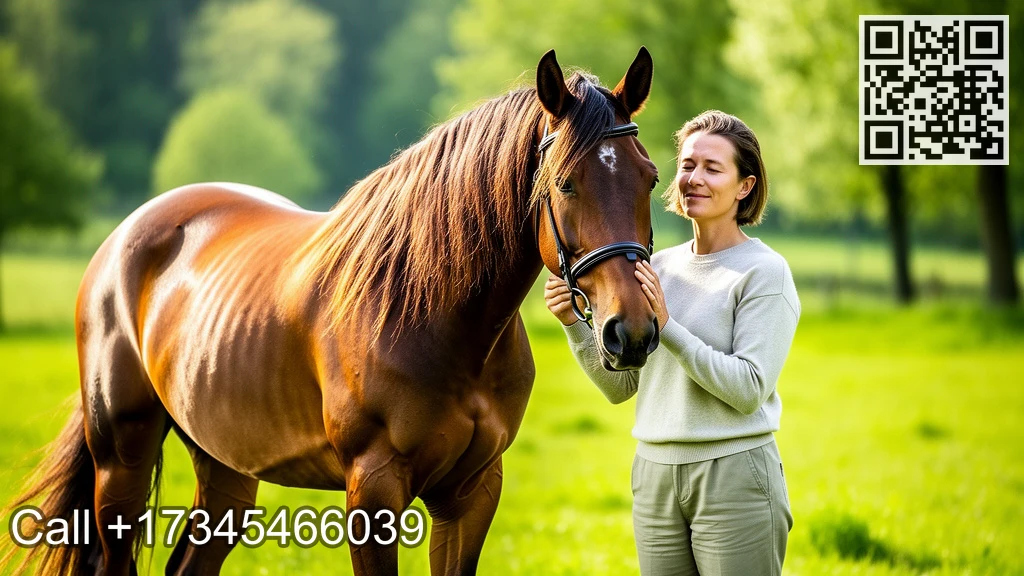
There is also the rhythm of the barn. Hay rustles, unguis thud, birds chatter. It is not silent, yet the sounds are reduced and predictable. Numerous individuals with sensory sensitivities unwind more quickly in a paddock than in a fluorescent clinic room. This can open a door for somatic healing with horses, where guideline begins in the body, not in language. Breath job while grooming, matching actions while leading, weight changes while mounted, and the easy act of co-regulating with a tranquil target pet commonly construct the physical standard required for social risk taking.
I see comparable advantages in ADHD equine finding out support. Motorcyclists who constantly chase stimulation discover a job that requests for stable focus without being fixed. Combing an equine calls for sequence and pressure grading. Leading requests outer understanding and pacing. Installed work benefits focus with motion. For lots of, this is a different treatment for sensory obstacles that really feel frustrating in a chair-based setting.
Program structure that values people and horses
An autism equine discovering program is not a magic fix, it is an organized method. Ours runs in twelve week cycles, when weekly, with sessions that last 60 to 75 minutes for many participants. Shorter, thirty minutes sessions fit those with solid sensory limitations or emerging resistance for novelty. For mounted therapeutic horsemanship, we staff one teacher and one sidewalker per cyclist until skills and security allow even more self-reliance. For equine-assisted training on the ground, we run one trainer for one participant, or pairs if they currently recognize and trust one another.
Safety is not negotiable. Safety helmets are required for any placed task. Shut toe shoes and fitted clothes secure the participant and maintain gear from snagging. The steeds are picked for uniformity and comfort with touch, unexpected movement, and assistive tools. A certified expert looks after session strategies and adjustments. Insurance and facility readiness issue greater than logos. Search for clear policies and a barn society that places both human and equine welfare first.
We likewise expect a finding out arc. Early sessions adjust sensory requirements, chosen communication mode, and objectives that mean something to the participant. We do not chase "making friends" as an abstract goal. We go for visible actions that scaffold that result, such as starting a request, enduring a shared time out, or bargaining a turn.
Is my kid, teenager, or adult customer ready?
Here is a fast readiness snapshot I provide families and clinicians that are curious. It is an overview, not a gate.
- Interest in pets, or at least interest regarding big exterior spaces Ability to be near a 900 extra pound pet with assistance, also if from outside the stall at first Tolerates a helmet or can work up to it with rated exposure Can comply with one step safety instructions with assistance, such as "quit at the cone" Medical security for moderate to modest exercise and outside allergens
If a few of these are not present yet, we can still begin, we simply established in different ways. For example, the first gos to may happen outside the fencing while just watching horses relocate, combining the experience with a comfortable sensory input like a heavy lap pad or fidget. Helmet tolerance can construct gradually with play. Visual routines and basic icons frequently make barn guidelines simpler to digest than spoken language alone.
A normal session arc
While no 2 sessions look the same, a dependable arc assists guideline. Most of my clients prosper on a clear start, center, and end. It could appear like this:
- Arrive and control: washroom, water, body check, and a preview of the plan Connect with the equine: stand with each other at the fencing, suit breathing or steps, observe signals Task emphasis: pet grooming, leading patterns, obstacle problem resolving, or mounted exercises Social stretch: a coached communication with a peer, moms and dad, or employee, such as trading the lead rope or intending a path together Cooldown and transfer: treat, gratitude for the steed, debrief with a narrative or aesthetic pointer to bring skills into the week
On anxious days, we shorten steps and raise predictability. Over power days, we often start with motion, such as leading at a working stroll around the arena prior to asking for serenity. The horse tells us what works. If the horse's head height surges and ears secure forward, we add distance and silent. If the equine's eye softens and their breathing slows, we can approach.
Building social connection without compeling it
Horses do not enjoy being hugged by unfamiliar people. Several autistic individuals recognize precisely just how that really feels. Respecting borders models permission. We ask the equine for consent to technique. We show a hand signal the individual can utilize to stop briefly get in touch with. We exercise waiting while a horse licks and chews, the equine version of handling. Public opinion reduces, and authentic proposals for get in touch with boost, due to the fact that no one has to perform.
Practically, link expands via shared tasks and foreseeable policies. Passing a grooming brush to and fro is a discussion without words. Establishing cones with each other to construct a challenge course invites settlement. Planning an installed pattern, riding it, after that providing comments builds perspective taking without claiming "currently we will practice perspective taking." When individuals see that their selections change the horse's action, firm comes to be tangible. Company is the soil where social danger taking takes root.
We also lean on equine-facilitated coaching approaches, adjusted for sensory requirements. Brief reflective motivates work far better than long evaluation. For instance, after leading via an S curve, I might say, "When your shoulders dropped, what changed in Murphy's walk?" Or, "You looked toward the cone, after that Murphy turned. What did you show him?" The motorcyclist links dots in between body language and end results. That insight after that moves to people, often with moms and dad coaching to spot and reinforce it at home.
The scientific research without the hype
Research around equine-assisted solutions is expanding, with blended layouts and moderate sample dimensions. That is normal for a field that spans multiple disciplines. A number of research studies report enhancements in balance, control, and behavior guideline after consistent engagement over 8 to 12 weeks. Families and colleges typically report additional gains such as boosted attendance, far better transition tolerance, or extra peer initiation in natural setups. While we ought to be careful not to guarantee outcomes, the pattern many of us see in technique corresponds: nerves resolve a little faster, interest extends a bit much longer, and communication gets a little clearer when learning is embodied, relational, and meaningful.
For anxiousness support with horses, the working model is co-regulation. Steeds, as prey pets, are built to seek security in synchrony. Humans benefit from this propensity when sessions educate slow-moving breathing, based stance, and clear purpose. Some clinicians match these sessions with heart price monitoring to provide visual feedback. Others fold barn infiltrate work-related therapy or therapy. If you are deciding in between suppliers, ask exactly how they coordinate with existing treatment groups and just how they specify success.
Team building with horses for families and peer groups
Social discovering does not quit at the person. We run household mornings as soon as a month where siblings and caretakers join the job. Group structure with equines in this layout is not concerning company games. It has to do with discussing whose plan the pair will try, noticing when a brother requires a silent lap around the sector, or screening exactly how much a moms and dad can hang back while the youngster leads. Horses act as the shared task that reroutes interest far from each other's perceived flaws. People capture each other doing something reliable, which rewrites the story.
Peer groups work well for teens who currently have a baseline of comfort with horses. Two to three individuals share 1 or 2 steeds and a puzzle: move a sphere with a challenge course making use of only lead ropes, or show a horse to tip with a square without touching the PVC. The goals are partnership and interaction. The trainer ensures that nobody bulldozes and nobody goes away. The steed implements clarity far better than any kind of instructor could.
What progress appears like and how to measure it
We track both soft and hard data. Soft data consists of monitorings of affect, initiation, and perseverance under light challenge. Harder information includes time on job, variety of proposals for joint interest, or regularity of self-advocacy declarations such as "I require a break" or "I want to try." We gather standards in the very first two weeks and update every three to four sessions. Parents and teachers full short check-ins to see what transfers home or to school.
One eight years of age, Jana, arrived not able to endure waiting her turn for more than three seconds. By week six, she can stand at the gate, check out her aesthetic timer, and wait thirty seconds prior to taking the lead rope. That delay time was re-measured at college eligible lunch. The numbers matter not since they show the barn is better than a classroom, however because they aid us tune dosage and focus. If delay time boosts in the field but not at institution, we readjust our generalization plan.
Trade offs and edge cases
Equine-assisted tasks are not the ideal suitable for everyone. Some individuals discover equines as well large and unpredictable, even with distance and aesthetic assistances. While we can do groundwork with minis through a fencing, there are learners that unwind much more in a little treatment area with heavy blankets and a clear edge. For others, allergies or asthma make barns uncomfortable. A couple of medications boost heat sensitivity, which limits summer schedules.
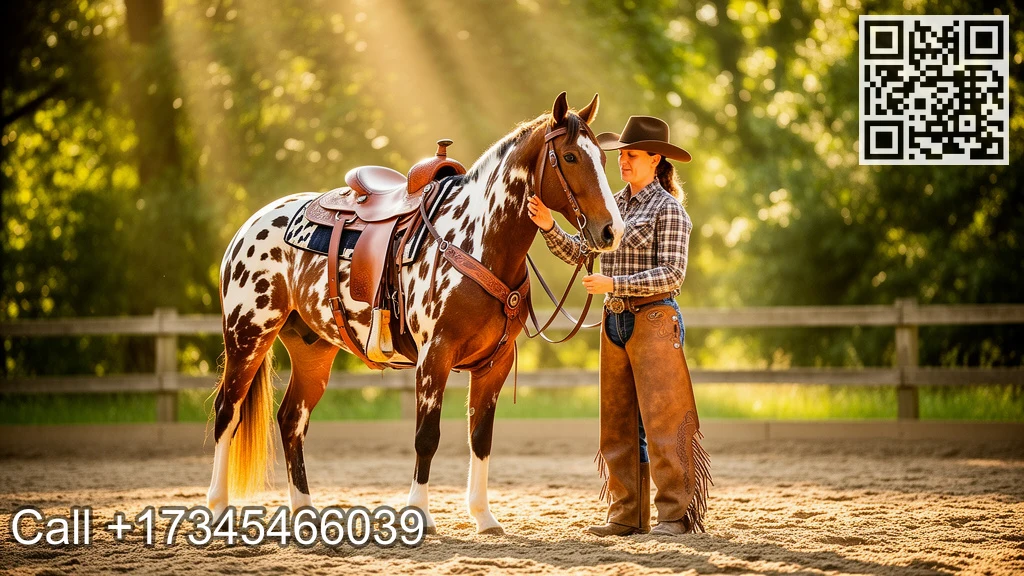
Another side situation appears with autistic customers who have a solid history of elopement. A huge residential property with open entrances and water risks includes danger. Programs can alleviate with added staffing, fenced fields, and mindful site choice, however in some cases a nature-based occupational therapy facility with confined rooms is safer.
Cost is actual. Sessions array widely by region and credentialing. Some programs qualify under adaptive sporting activities or behavior health and wellness solutions. Others depend on personal pay or scholarships. It aids to ask programs how they structure costs and what alternatives exist for bundled household sessions or institution contracts. Be clear regarding your top priorities so dollars support the goals you value most.
Lastly, equine well-being issues. A program that leans also difficult on aggressive handling or desensitization at all expenses shows the incorrect lesson concerning connections. We design permission and selection for both species. If a steed is pinning ears at the girth, we check out fit and comfort, not the motorcyclist's conformity. A steed having a rigid day needs to be swapped out, not pushed through. Individuals internalize what they see.
Integrating with existing therapies and education
The best results show up when the barn is not an island. If a speech therapist is working on launching demands, we can scaffold the very same actions in a high value context: asking to approach the equine or to try a various gait. If an institution IEP lists peer communication, we can structure paired tasks that mirror college assumptions without the cafeteria disorder. Physical therapists value the opportunity to work on bilateral sychronisation, vestibular input, and pressure grading while brushing or tacking.
I commonly write brief session recaps for care groups, no more than 5 sentences, focusing on one behavior that emerged and one that we will target following. Families bring those notes to institution conferences, which grounds discussion in concrete instances. The loophole issues. Abilities constructed in the barn are most valuable when they have someplace to go.
Coaching caregivers to enhance gains
Parents and caregivers bring the job home. We educate a handful of transferable devices that do not call for a steed. Breath-matching can happen on the sofa. Aesthetic schedules can appear on the refrigerator. Body brakes can be practiced at the sink while cleaning hands. Numerous families find that a small, physical tip, such as a brush connected to a crucial ring, assists a youngster keep in mind the feeling of sluggish, strong strokes that soothed them in the barn. The object comes to be a bridge.
Caregivers likewise find out to tell sensations in neutral language. Rather than "You are getting distressed," we try "Your shoulders climbed and your hands got quickly. Do you desire the hefty brush or a lap squeeze?" Choices tied to body signals protect self-respect and decrease power struggles. Gradually, teenagers and adults grab that language for themselves.
Horses as partners, not tools
The expression equine-facilitated coaching can hide the horse behind the human's agenda. We guard against that deliberately sessions where the steed's choices shape the plan. If our mare, Willow, looks for touch, a brushing session makes sense. If she stares at the field entrance, motion is the much better choice. Participants observe that we ask the horse for input. They find out that connections work much better when participation is mutual.
We retire equines from certain tasks when their passion discolors, and we provide day of rests after hefty psychological work. That stewardship belongs to the lesson for human students. Social connection prospers in an atmosphere where every event's needs matter.
Choosing a program wisely
Credentials inform component of the story. Experience and fit compose the rest. Try to find instructors certified in restorative horsemanship or experts with documented training in equine-assisted services. Ask how they adapt for sensory accounts, what their emergency strategies are, and exactly how they pick equines. See a session. Do personnel talk to participants with respect, at their pace, and with clear safety and security language? Are horses tied for long periods, or do they have turnover and agency?
Ask regarding dosage and objectives. If a program guarantees quick solutions, be wary. Social communication expands like a route, not a freeway. Expect some weeks that really feel level and others where everything clicks. Ask just how the team determines progress, and just how they will adjust if a goal is not moving.
Finally, notice your intestine in the space. Do you exhale when you tip onto the building? Does your child light up at the view of the field, or do they startle at the tractor and cover their ears? Great programs adjust, yet no barn fits everyone. Trust fund the data and your senses.
When steeds assist the helpers
Caregivers, instructors, and medical professionals typically bring their own stress and anxiety. Equine-assisted coaching for grownups offers a reset. A 45 minute session with an instructor and a steady equine can function as reflective method for an unique education and learning instructor or a moms and dad trying to adjust expectations. The equine mirrors patterns: hurrying, over-directing, fading too late, or going away when challenged. With a little guidance, adults spot their practices and choose brand-new experiments. When the system around an autistic learner softens and collaborates, the student's course typically smooths a little bit too.
What remains after the session ends
The most long lasting gains seldom look dramatic. They look like a teen, hand on a mare's neck, selecting to state "Not today" to a canter and feeling no pity. They look like a seven years of age who now waits for eye call prior to passing the lead rope to a peer. They resemble an university student that uses barn-learned planning to map a bus path and reach course on time.
Equine-facilitated wellness lives in those regular wins. Over months, participants stack enough of them to alter their story concerning social life. Instead of "I always obtain it incorrect," we listen to "I can attempt it by doing this," or "I understand just how to pause." Anxiousness support with horses offers the body a support, and from that anchor, connection feels much less like a storm and more like a craft you discover to sail.
Bringing everything together
Autism equine discovering programs function since they appreciate difference, welcome firm, and lean on clear, personified comments. Horses request for harmony. They reward persistence. They discover intent. Those are the conditions where social connection grows, especially for individuals that live in a world that commonly strains their detects and undervalues their preferences.
Whether you are a parent taking into consideration an initial browse through, a clinician interested concerning collaborations, or an adult autistic individual exploring new means to develop community, understand this: you https://www.hhooves.com/privateevents do not need to do for a horse. You can show up as you are. The barn will fulfill you with routine and area to take a breath. With mindful training, strong safety and security, and authentic regard for both varieties, the work comes to be more than a solution. It becomes a place to exercise being with an additional, then take that method back to the rest of life.